
- Citizenship: Enhance the community and make an impact on issues like homelessness, environmental sustainability and urban renewal. This should be taken by first year students.
- Language and culture: Learn the way of life, cuisine and language of other countries through interactive exploration. This should be taken by second year students.
- Career preparation: Build your resume, learn new interviewing skills, land an internship and get prepared for your future career. This should be taken by third or fourth year students.
The Citizenship Project, for first year students, emphasizes service learning beyond the classroom. It began in 2010 as Lynn's first learning initiative, or Quality Enhancement Program (QEP). It was so effective, it was embedded in Lynn's curriculum as a required January Term course for first-year students.
-
2026 Citizenship Project Comfort Cases Presentation
Lynn University
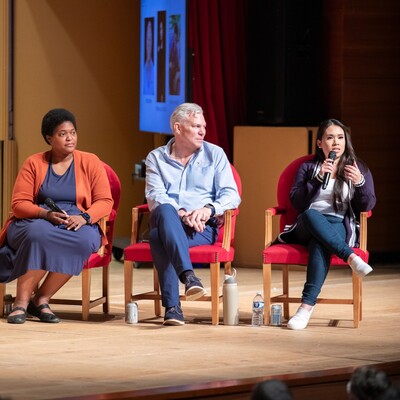
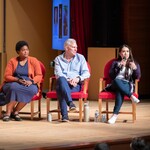
On Friday, Jan. 23, 2026, first-year students spent the morning packing 850 comfort cases for children in foster care as part of the university’s annual Citizenship Project program.
The day included a powerful panel featuring Comfort Cases founder Rob Scheer, alongside Whitney Lam Gillard and Kathryn Kendall, moderated by Michael Williams—all of whom shared their experiences in the foster care system.
-

2025 Citizenship Project Comfort Cases Presentation
Lynn University
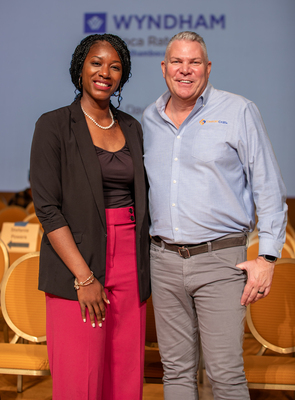
On Jan. 17, 2025, Lynn University students, faculty and staff came together to comfort children in foster care by filling 830 backpacks with essentials and handwritten notes of encouragement.
Rob Scheer, founder of Comfort Cases, and Dr. Jessica Pryce—keynote speaker, spoke in the Wold theater.
-

2022 Citizenship Project Comfort Cases Presentation
Lynn University
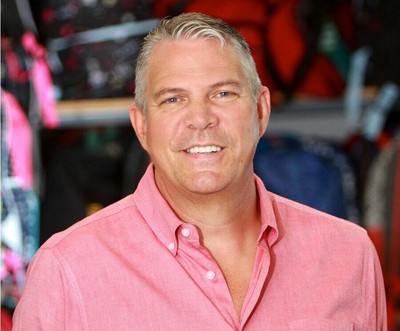
Robert Scheer, founder of Comfort Cases, speaks to members of the Lynn community on Jan. 21, 2022. He is introduced by Citizenship Project director Anna Krift.
Comfort Cases has been part of the Citizen Project since 2018. “Comfort Cases” are backpacks or duffel bags that volunteers fill with essentials—like blankets, note pads, stuffed animals and other supplies—that are provided to a child as they transition to their foster home.