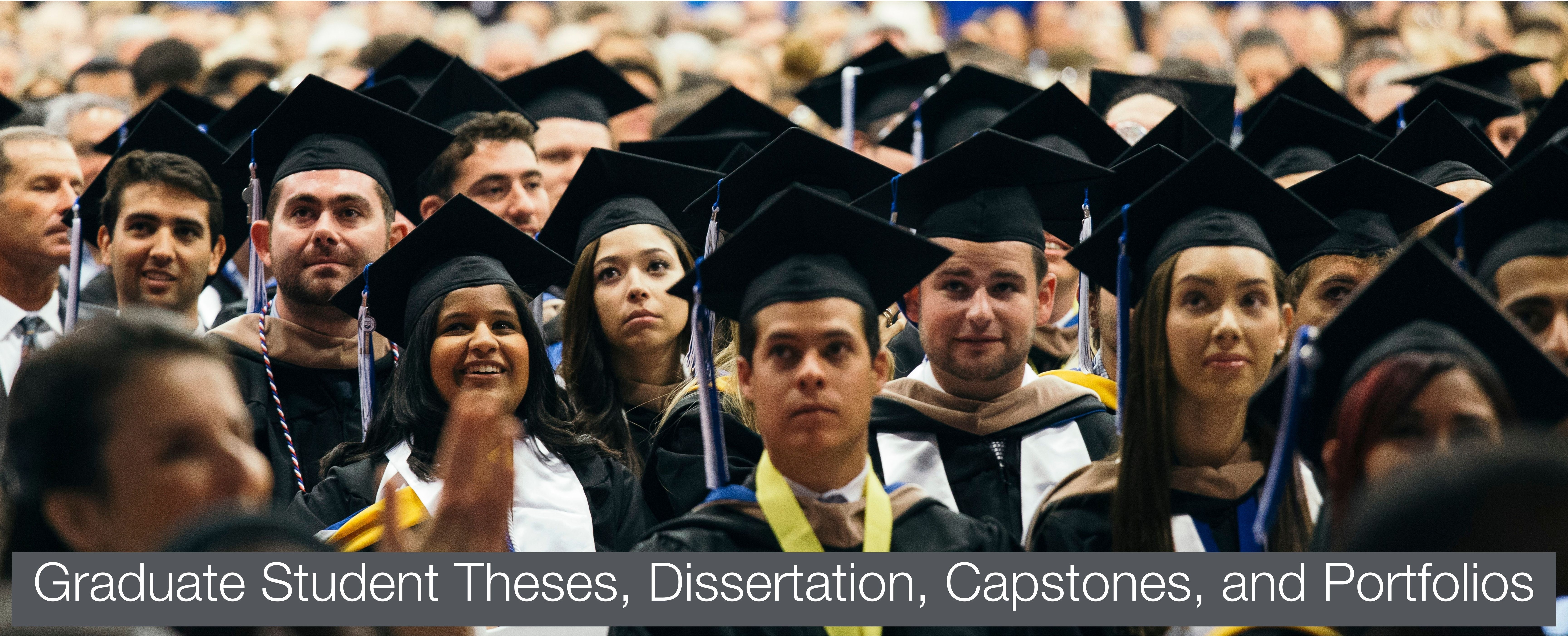
Graduate Student Dissertations, Theses, Capstones, and Portfolios
Date of Award
7-2026
Document Type
Dissertation
Granting Institution
Lynn University
Degree Name
Doctor of Education (Ed.D.)
Degree Program
Educational Leadership
Department
College of Education
First Advisor
Dr. Richard D. Jones
Second Advisor
Dr. JéVaughn J. Lancaster
Third Advisor
Dr. Pamela Mason-Egan
Abstract
Across the nation, thousands of first-year college students begin their journey full of hope, yet far too many do not reach their second year. Only 74% of full-time students continue, and fewer than seven in 10 remain at the same college. For many, the struggle is not simply academic. It is emotional, social, and deeply personal. Students who face challenges with time management, stress, and self-regulation are often overwhelmed, uncertain, and at risk of dropping out before achieving their goals. To help ease this transition, many colleges offer first-year experience courses that connect students to tutoring, counseling, and campus resources. While these programs improve adjustment and confidence, their influence on actual retention remains uncertain. This study explores how social and emotional learning, or SEL, can bridge that gap by equipping students with the self-awareness, self-management, social awareness, relationship skills, and responsible decision-making needed to persist.
Using a mixed-method design, this research examined the impact of SEL support services at Forward Progress College (a pseudonym). Quantitative data from a survey of 55 second-year college students, based on the Collaborative for Academic, Social, and Emotional Learning (CASEL) Framework, measured the presence and strength of SEL competencies among students. Qualitative insights emerged from in-depth Zoom interviews with 9 second-year students as they reflected on their first-year experiences. The students shared how emotional skills, mentorship, and community connections influenced their ability to stay in college.
This study uncovered which SEL-based support services were most effective for promoting persistence, particularly among students from low socioeconomic backgrounds, with 54.5% of surveyed students receiving Pell Grant assistance. The findings indicated that students perceived self-awareness and self-management as the two most critical SEL competencies for first-year college success. Students identified time management, emotional regulation, and stress coping as essential tools to overcome their most common challenges: balancing coursework, employment, and family responsibilities. Furthermore, quantitative results revealed that academic support services, specifically advising, tutoring, and the library, were the most frequently utilized and highly rated resources for supporting first-year student persistence. Qualitative interviews highlighted that relationship skills, such as bonding with faculty and building peer networks, as well as wellness spaces, such as counseling and a tranquility room, were profoundly instrumental in reducing anxiety and fostering a sense of belonging amongst students.
Drawing on the experiences of retained students, the findings offer insights for colleges seeking to support student persistence. The study suggests that institutions might enhance student resilience efforts by intentionally integrating SEL competencies into courses, particularly first-year experience courses, and broader student support programming. Ultimately, this research contributes to the ongoing conversation about how higher education conceptualizes student success, suggesting that, alongside academic learning, social and emotional development may be an important component to consider in efforts to support students’ continued persistence and success.
Recommended Citation
Henry, V. (2026). Staying the Course: A Mixed-Method Exploration of Social and Emotional Learning Skills for First-Year College Student Retention [Doctoral dissertation, Lynn University]. SPIRAL. https://spiral.lynn.edu/etds/462